BRICK LANE MUSIC HALL
Home
Calendar
About
360 Tour
History
Music Hall
Our Story
The Story of St. Mark’s
Outreach
Schools Programme
Customer Reviews
Plan Your Visit
Group Bookings
Show Times
Find us
Food & Drink
Parking & Accessibility
360 Tours
Private Hire
Bookings
Backstage News
Contact
Terms and Conditions
Privacy Policy
020 7511 6655
BOOK NOW
Book Now
Home
Calendar
About
Plan Your Visit
Private Hire
Bookings
Backstage News
Contact
020 7511 6655
Backstage News
July 6, 2026
Why not put the science to the test?
June 23, 2026
Community heroes take centre stage
June 15, 2026
More than just a show!
June 10, 2026
Musical Theatre Summer School 2026!
May 18, 2026
Best Food and Drink
April 17, 2026
Best Costume Design Award Finalists
April 16, 2026
Fringe Theatre Awards Finalists
February 23, 2026
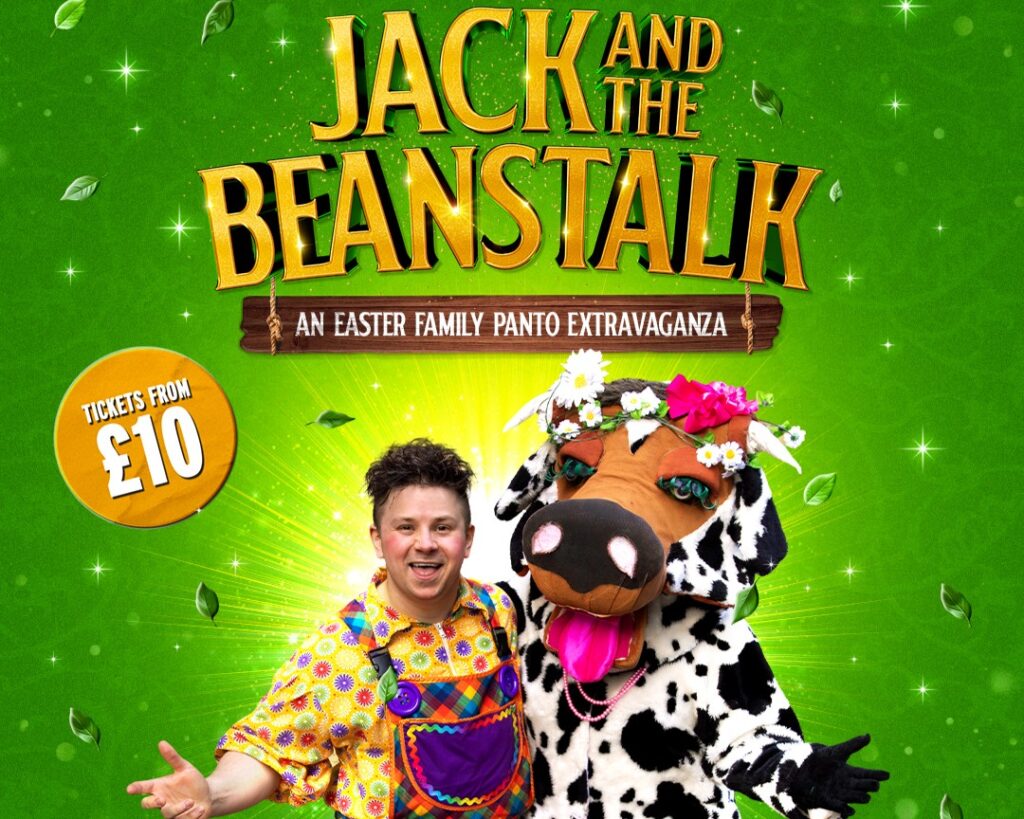
Family Panto Eggstravaganza….
February 13, 2026
Looking to the future! Happy Birthday Brick Lane Music Hall
February 2, 2026
Mooo-sic to our ears …..
January 20, 2026
** EXTRA DATE ADDED ** but hurry!! Book now for Jack and his Giant Stalk
December 18, 2025
A Theatre That Raised Her: Lucy Hayes on Brick Lane Music Hall and its 2026 Pantomime
December 12, 2025
Creating Christmas Magic
December 7, 2025
An Eye to the Future – the appointment of six Fabulous Patrons
December 5, 2025
Stronger, healthier, happier together
November 25, 2025
Making Christmas Magical – what the reviewers are saying about the show
November 14, 2025
“Why Brick Lane Music Hall Is London’s Best-Kept Christmas Secret….”
November 9, 2025
Remembrance Sunday
October 30, 2025
The Theatre Reviewer: Creating Christmas Magic
September 22, 2025
Brick Lane Music Hall 2025/26 Season Launch: Preview
September 20, 2025
Is your Christmas visit in the diary?!
September 18, 2025
Travellers’ Choice Award Winners
September 18, 2025
Back by Popular Demand – for 2 shows only!
September 2, 2025
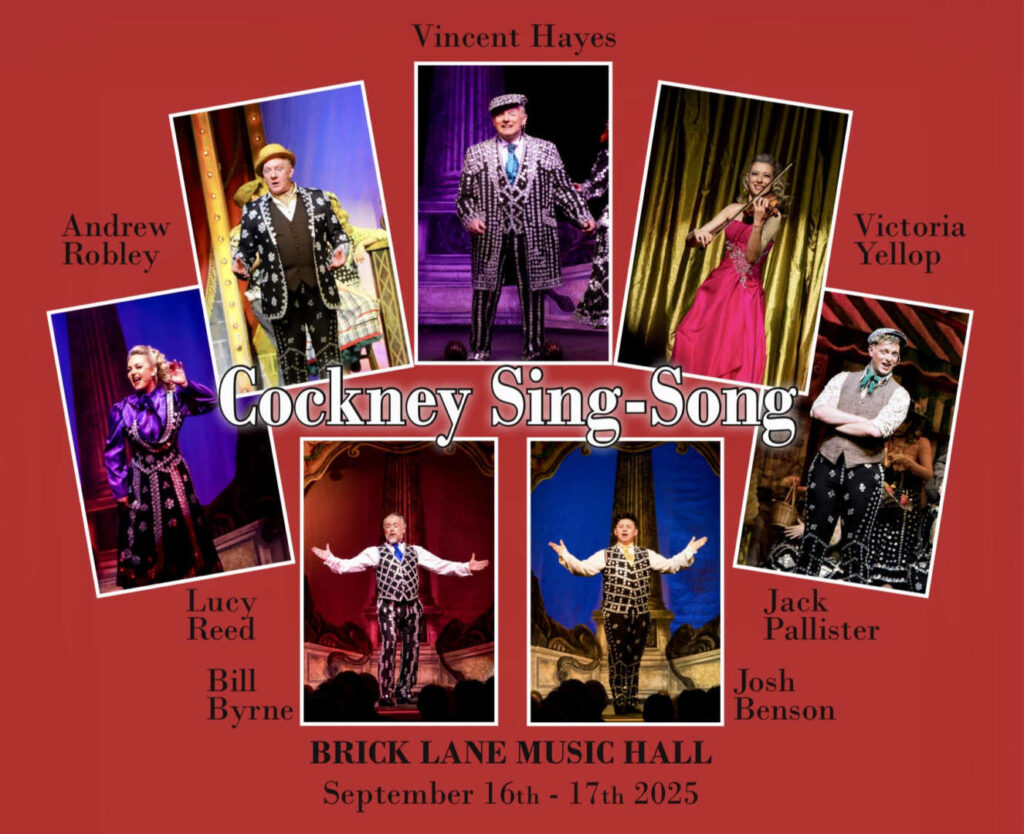
A Right Royal Knees-up
August 28, 2025
Take A Bow ….
July 31, 2025
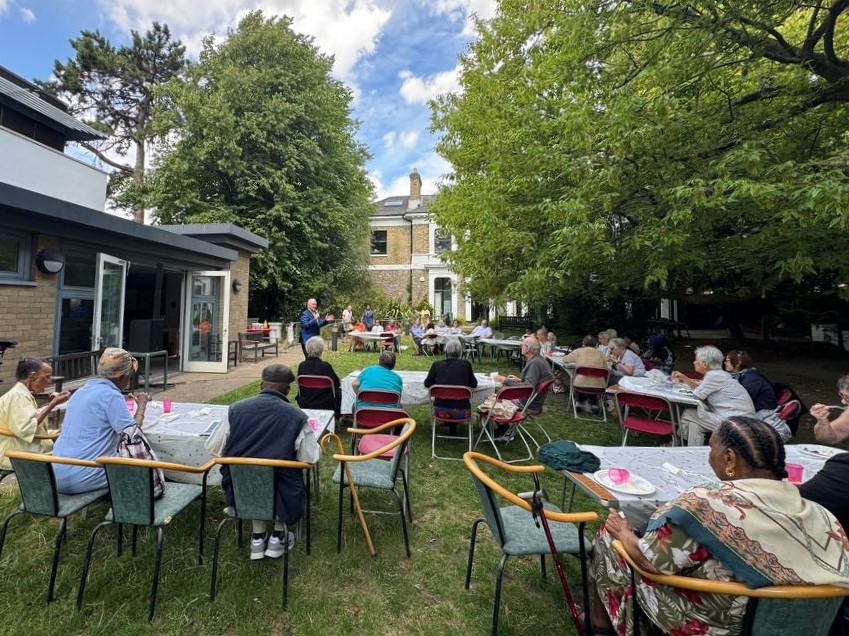
Summer Garden Party
July 30, 2025
The Stars of Tomorrow
May 18, 2025
*Enrolling Now: Musical Theatre Summer School, July 21st – 26th 2025
May 14, 2025
And the winners are …. !
May 9, 2025
The light of peace
May 5, 2025
The Nation Remembers
April 30, 2025
AAA Benefit Night
April 17, 2025
A Unique Invitation – come and sing with us! Sign up here
March 10, 2025
The Secret Is Out!
March 6, 2025
2025 starts here!
February 10, 2025
A whopping 5 stars all round for Pinocchio
February 8, 2025
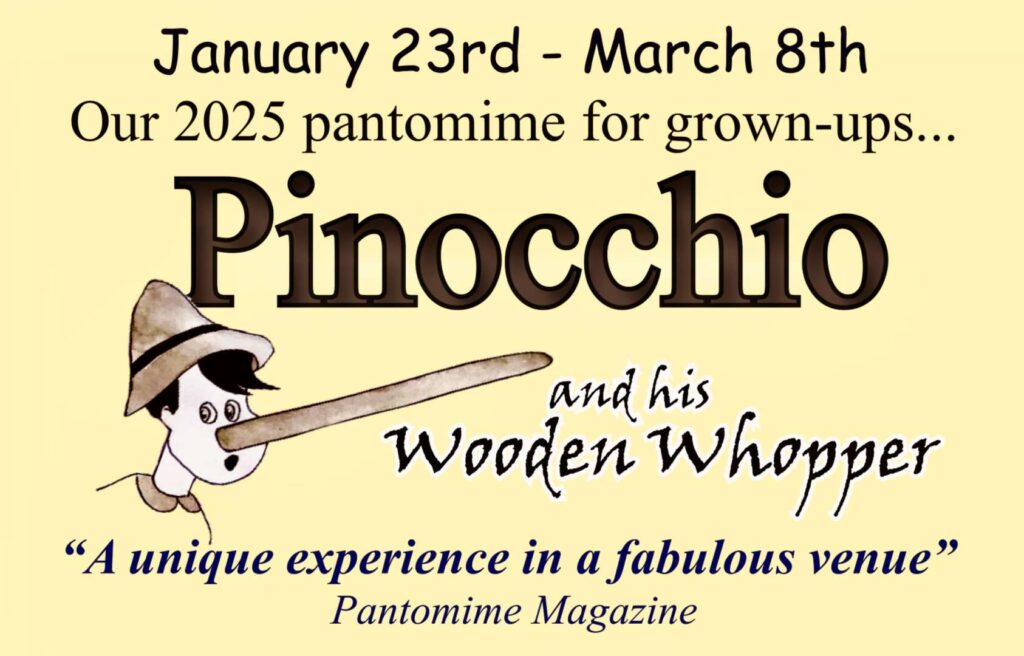
Pinocchio and His Wooden Whopper
December 6, 2024
The magic of Christmas
November 19, 2024
Make this Christmas special
November 11, 2024
Remembrance
August 9, 2024
A whole season of fun at the touch of a button
July 23, 2024
Do Tell The Bride!
July 22, 2024
Schools Shows
June 10, 2024
Our first ever Summer School for 8-13 year olds
June 5, 2024
Silvertown’s D-Day Secrets
April 30, 2024
From Rock to Pop!
April 29, 2024
Making a Difference
April 8, 2024
Did you know?
March 19, 2024
The New Season Starts Here!
March 4, 2024
A sprinkling of Spring
February 20, 2024
Taking Tripadvisor by storm!
February 20, 2024
Behind the scenes
February 2, 2024
The Perfect Antidote to the February Blues… Click here to view!
January 25, 2024
Peter and the Loose Boys
January 22, 2024
Introducing the cast of our 2024 pantomime for grown-ups!
January 16, 2024
“A unique experience in a fabulous venue”
January 16, 2024
“Afternoon tea was a triumph”
January 16, 2024
Travellers’ Choice 2023
December 9, 2023
Watch our first ever Christmas video!
November 24, 2023
Christmas starts here!
October 27, 2023
Your passport to Christmas…
August 29, 2023
Pearly Queens to Grime MC’s
July 21, 2023
Back to School!
June 16, 2023
What a Summer!
May 2, 2023
Brick Lane Music Hall Charity Night
February 16, 2023
Your safety is our priority
February 16, 2023
Happy Birthday BLMH!
December 16, 2022
Christmas present ideas solved
December 1, 2022
Christmas at Brick Lane Music Hall
September 16, 2022
Travellers’ Choice 2022
June 11, 2022
Birthday Celebrations
June 10, 2022
Plenty more to come
June 1, 2022
70 Glorious Years
May 16, 2022
A Fitting Tribute (‘ave a banana….)
April 28, 2022
Let the celebrations begin!
March 21, 2022
Let’s all go to the Music Hall
January 26, 2022
Robin Hood and his Camp Followers
January 18, 2022
Panto Magic
February 16, 2021
Box Office now Open!
January 16, 2021
#HereForCulture
September 16, 2020
TRAVELLERS’ CHOICE
July 16, 2020
Friends and Neighbours
June 16, 2020
Looking to the future
May 16, 2020
A very East End knees-up
May 16, 2020
Bring Me Sunshine!
March 16, 2020
Full Show Listings
March 16, 2020
Theatre closure
February 16, 2020
This week in 1992
February 13, 2020
Celebrating 28 Years
February 12, 2020
Show Guide
February 10, 2020
Take a Bow!
January 16, 2020
“Music Hall Magic”
January 16, 2020
A true story…. well, almost
December 16, 2019
How was it for you??
December 16, 2019
We’ve only just begun!
November 16, 2019
Deck the Hall!
November 16, 2019
Music Hall of Fame
October 16, 2019
Remembrance Sunday at Brick Lane Music Hall
September 16, 2019
Don’t dilly or dally…
August 16, 2019
The Great Joe Longthorne
August 16, 2019
The Joe Longthorne Story
July 16, 2019
Inspiring young minds
July 16, 2019
Stars of Tomorrow
June 16, 2019
Curtain Up!
June 16, 2019
Did someone say “Heatwave”?
June 16, 2019
Here Comes Summer!
June 16, 2019
Let’s All Go to the Music Hall!
June 16, 2019
Prepare to be amazed!
June 16, 2019
The SS Brick Lane Music Hall
June 16, 2019
Watch This Space
May 16, 2019
Magnificent Music Hall
May 16, 2019
Pure Imagination
May 16, 2019
Touching Hearts
April 16, 2019
All Aboard!
April 16, 2019
St George’s Day Celebrations
March 16, 2019
A final bow
March 16, 2019
Best Mates
March 16, 2019
Get ready to party!
March 16, 2019
Run extended!
March 16, 2019
St Patrick’s Week
February 16, 2019
Panto’ magic!
February 16, 2019
The Cat’s Whiskers
February 16, 2019
Who doesn’t love a panto?
January 16, 2019
2019 Finalists!
January 16, 2019
A New Year’s Party!
January 16, 2019
A Season of Celebrations
January 16, 2019
Mother’s Goosed!
January 16, 2019
Oh, yes they are!
January 16, 2019
Oh, yes it is!
January 16, 2019
The Hall of Fame!
December 16, 2018
Booking now for 2019!
December 16, 2018
Festive Greetings!
November 16, 2018
A Celebration of British Music Hall
November 16, 2018
A Day to Remember
November 16, 2018
A Special Remembrance Service
November 16, 2018
Christmas starts here!
November 16, 2018
Commemoration and Celebration
November 16, 2018
Remembrance Sunday
November 16, 2018
There’ll Always Be An England
October 16, 2018
A date for the diary
October 16, 2018
Brick Lane Music Hall hosts Jeremy Paxman
October 16, 2018
Worshipful Company of Firefighters
October 16, 2018
Murder Mystery
October 16, 2018
That’s Entertainment!
October 16, 2018
The Greatest Stage on Earth
September 16, 2018
A Good Old Sing-Song
September 16, 2018
Murder At The Music Hall!
July 16, 2018
Brick Lane Music Hall supporting the local community
July 16, 2018
Here comes Summer!
July 16, 2018
Schools programme
July 16, 2018
The Brick Lane Music Hall Summertime Showcase
June 16, 2018
A backstage peek!
June 16, 2018
Brick Lane Music Hall changing lives
June 16, 2018
Oh, I Do Like To Be Beside The Seaside!
June 16, 2018
Schools Programme
June 16, 2018
Tate and Lyle
June 16, 2018
The Swinging Sixties!
May 16, 2018
A Treat of a Week!
May 16, 2018
Autumn preview
April 16, 2018
Grand Order of Water Rats
April 16, 2018
Let’s celebrate, by George!
April 16, 2018
The Full English
March 16, 2018
A Fond Farewell
March 16, 2018
It’s a great day for the Irish!
March 16, 2018
Join the party!
March 16, 2018
Let’s All Go to the Music Hall!
February 16, 2018
Keeping Tradition Alive
February 16, 2018
There is nothing like a dame!!
January 16, 2018
“An old-fashioned sense of fun”.
January 16, 2018
“The most glamorous woman in the world”
January 16, 2018
Do You Know This Man?
January 16, 2018
Everyone loves an Oompa Loompa
December 16, 2017
Happy Holidays!
December 16, 2017
The Magic Continues
December 16, 2017
The story of Aladdin
December 11, 2017
“Oh, Yes it is!”
November 16, 2017
Brick Lane Music Hall and The Best of British
November 16, 2017
Christmas is coming!
November 16, 2017
Countdown to Christmas
November 16, 2017
Remembrance Sunday
November 16, 2017
Remembrance Sunday at Brick Lane Music Hall
September 16, 2017
Autumn Preview!
September 16, 2017
Now you see it, now you don’t….
September 16, 2017
Reaching for the Stars
September 16, 2017
Sunday Night at the London Palladium
September 16, 2017
Surprise, Surprise….
July 16, 2017
Le Grand Depart
July 16, 2017
The 2017 Schools Programme
June 16, 2017
A memorable performance in a night of memorable performances
June 16, 2017
A lot can happen in 25 years!
June 16, 2017
Let’s All Go to the Music Hall!
June 16, 2017
Sixties Fun!
June 16, 2017
So what did you think…. ?
June 16, 2017
Summertime fun!
June 16, 2017
The Brick Lane Music Hall Summer starts here!
June 16, 2017
The show goes on!
June 16, 2017
Welcome to the Musicals!
May 16, 2017
Step Inside Brick Lane Music Hall
April 16, 2017
A moving performance
April 16, 2017
A Sparkling Show
April 16, 2017
Brick Lane Music Hall – a completely unique experience
April 16, 2017
Celebrations all round!
April 16, 2017
For England and St George!
April 16, 2017
St George’s Day Show 2017
April 16, 2017
St George’s Day Show
April 16, 2017
AAA Benefit Night
March 16, 2017
A last hello to the panto’ …
March 16, 2017
Laughter is the best medicine
March 16, 2017
New dates for your diary
February 16, 2017
Brick Lane Music Hall 25 years of Great British Entertainment
February 16, 2017
Keeping Variety Alive in East London
February 16, 2017
Let’s All Go to the Music Hall!
February 16, 2017
Some mothers do ‘ave ’em….
January 16, 2017
‘An absolute joy’
January 16, 2017
“Showbusiness at its best”
January 16, 2017
A Happy New Year from Ruth and Agnes
January 16, 2017
Brick Lane Music Hall – booking now for 2017
January 16, 2017
Charity Gala Night
January 16, 2017
Curtain Up!
January 16, 2017
Schlepping Beauty
January 16, 2017
So That’s All Folks!
December 16, 2016
From Us to You
December 16, 2016
Merry Christmas!
November 16, 2016
A Genuine Wartime Hero
November 16, 2016
A Show Packed Full Of Surprises!
November 16, 2016
Our Finest Hour
November 16, 2016
Simply the Best
November 16, 2016
There’ll Always Be An England – our marvellous wartime music hall show
October 16, 2016
Hello Children Everywhere!
October 16, 2016
One to Watch
September 16, 2016
A good time was had by all
September 16, 2016
A right old ding-dong…
September 16, 2016
Happy Holidays!
August 16, 2016
The best traditions never die
July 16, 2016
2016 Schools Programme
June 16, 2016
2016 Schools Programme
June 16, 2016
I Do Like To Be Beside The Seaside!
June 16, 2016
Oh, Boy!
June 16, 2016
That’s the way to do it!
June 16, 2016
Vintage Brick Lane Music Hall
May 16, 2016
Congratulations and Celebrations!
May 16, 2016
The most swinging decade comes to Brick Lane Music Hall this Summer!
April 16, 2016
A Week of Music Hall
April 16, 2016
Happy Easter from all at Brick Lane Music Hall
April 16, 2016
How to celebrate St George’s Day
April 16, 2016
Vincent for Mayor, by George!
March 16, 2016
Back to our roots
March 16, 2016
Brick Lane Music Hall – keeping the East End smiling!
March 16, 2016
In Loving Memory
February 16, 2016
Happy Birthday Brick Lane Music Hall!
January 16, 2016
A warm welcome awaits!
January 16, 2016
Laughter is the best medicine
January 16, 2016
The fun starts here!
September 16, 2015
Booking Now for Autumn!
July 16, 2015
An Insider’s Guide to the Sixties
July 16, 2015
Put On Your Blue Suede Shoes!
May 16, 2015
The King is coming to Silvertown!
April 16, 2015
How will you be celebrating St George’s Day?
March 16, 2015
How will you be celebrating St Patrick’s day?
March 16, 2015
What a party!
February 16, 2015
Keeping Alive a Great British Tradition
February 16, 2015
Love is in the air!
February 16, 2015
The cast of 2015
December 16, 2014
Merry Christmas from Brick Lane Music Hall!
December 16, 2014
Vincent’s Christmas Wonderland
December 16, 2014
Welcome to Christmas!
December 5, 2014
Winter Wonderland Spectacular
November 16, 2014
Happy New Year!
November 16, 2014
There’ll Always Be An England – 2014 Centenary Year
September 16, 2014
Prize Star Quiz!
September 16, 2014
The new season starts here!
September 16, 2014
TripAdvisor 2014 Certificate of Excellence Winner!
August 16, 2014
Neighbours in Poplar
June 16, 2014
Taking on the Ritz
April 16, 2014
Cry ‘God for Harry, England, and Saint George!’
April 16, 2014
Oh, What A Lovely War!
March 16, 2014
Don’t miss the party!
March 16, 2014
Roger Foss Reviews Brick Lane Music Hall
March 16, 2014
St Patrick’s Irish Party
March 16, 2014
The show goes on!
January 16, 2014
A very stylish marriage….
January 16, 2014
Unmistakeable glamour comes to Brick Lane Music Hall
April 16, 2013
Britain’s Friendliest Venue
February 16, 2013
Vincent Hayes MBE
December 16, 2012
New Year’s Honour
April 4, 2012
English Heritage
BOOK NOW
Home
Calendar
About
Plan Your Visit
Private Hire
Bookings
Backstage News
Contact
020 7511 6655